Have you ever paused while writing a sentence and wondered, “Is it grammar or grammer?” You are not alone. Many English learners and even native speakers sometimes struggle with this small yet important detail. Misusing this word can make your writing appear careless, especially in formal contexts like emails, essays, or professional documents.
Understanding the correct form is not just about spelling; it is about mastering a fundamental part of English communication. Grammar shapes the clarity of your message, ensures your ideas are understood, and shows professionalism. Whether you are in the UK or the US, using the right spelling can prevent misunderstandings and boost your credibility.
In this article, we will clarify this common confusion, explain the correct and incorrect forms, provide practical examples for both British and American English, and give you easy tips to remember the correct usage. By the end, you will confidently write “grammar” without second-guessing.
Quick Answer
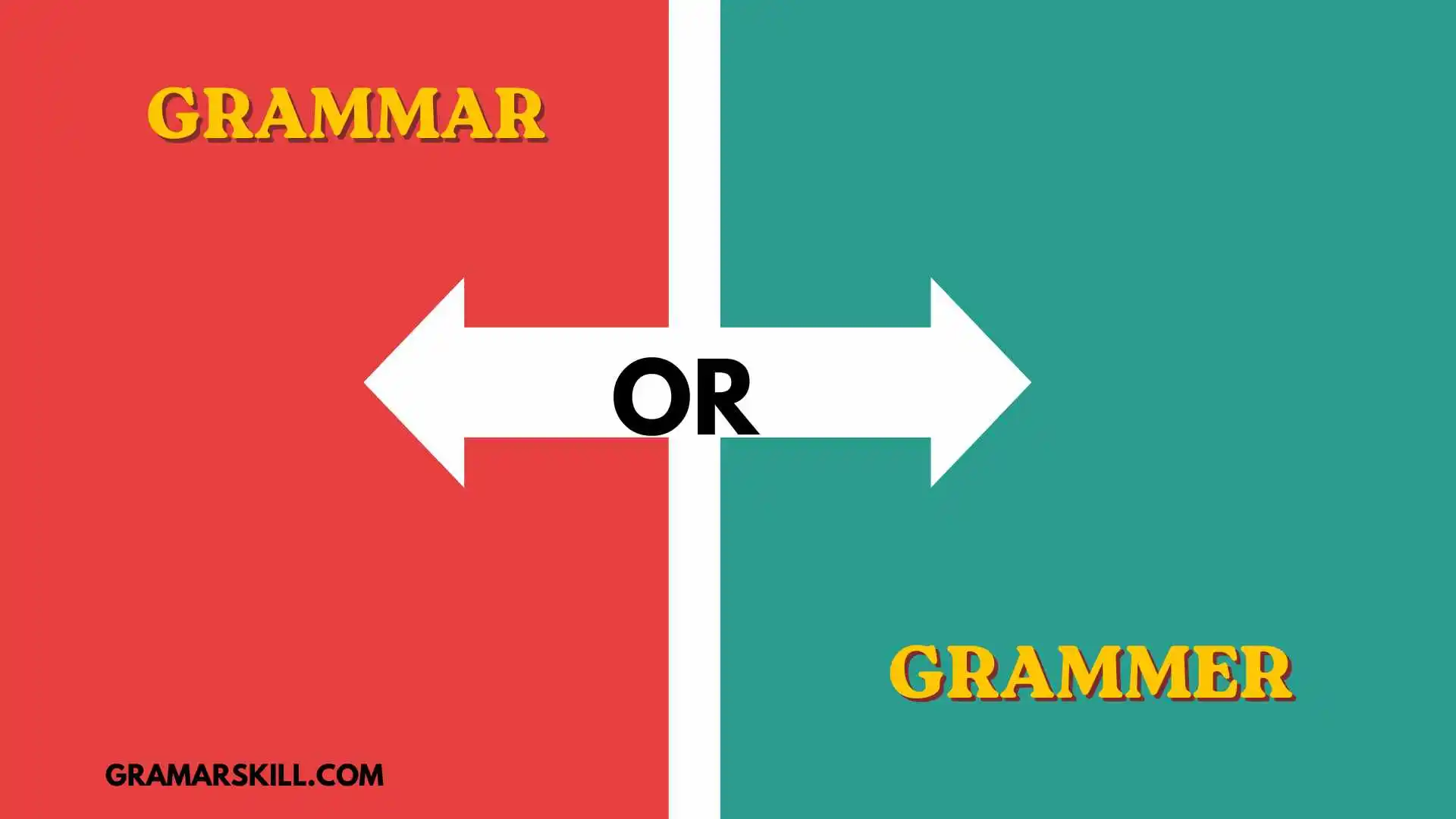
The correct spelling is grammar.
Grammer is a common misspelling and is always incorrect in standard English. Both British English and American English use the word grammar, with no difference in spelling. Remember: the double “a” in grammar reflects its Latin origin from grammatica, meaning the study of letters or writing.
Meaning of the Correct Form
Grammar refers to the system and rules of a language. It includes how words are formed, arranged, and combined to make meaningful sentences. Mastery of grammar helps in speaking, writing, reading, and understanding English accurately.
Examples in British English:
- “She has excellent grammar skills and always writes error-free reports.”
- “In British schools, students learn formal grammar from an early age.”
Examples in American English:
- “Good grammar is essential for professional communication in the US.”
- “He was praised for his clear writing and correct grammar.”
Key point: In both UK and US English, grammar is spelled the same way and carries the same meaning.
Meaning of the Incorrect Form
The word grammer is a misspelling of grammar. It does not exist in the English language as a standard word. While some may accidentally write grammer, it is always marked as wrong in dictionaries, grammar guides, and writing tools.
Example of incorrect usage:
- “I need to improve my grammer.” ❌
- Corrected: “I need to improve my grammar.” ✅
People often confuse grammer due to pronunciation mistakes or typing errors. Remember, the correct spelling always contains two “a” letters.
Keyword Comparison / Key Differences
| Feature | Grammar | Grammer |
| Correct spelling | ✅ Correct | ❌ Incorrect |
| Meaning | Rules of language | None (wrong spelling) |
| UK Usage | Grammar | Not used |
| US Usage | Grammar | Not used |
| Examples | She has perfect grammar. | She has perfect grammer. ❌ |
Tip: If you see “grammer” in a text, you can confidently correct it to grammar. There are no exceptions in standard English.
Common Mistakes People Make
Even native speakers sometimes write grammer by mistake. Common scenarios include:
- Typing too fast:
- “I need to check my grammer before submitting.” ❌
- “I need to check my grammar before submitting.” ✅
- Relying on pronunciation: The word sounds like it could be spelled grammer, leading to errors.
- Confusing with names or brands: Some people assume “Grammer” could be a proper noun, but in writing about English rules, it’s incorrect.
- Mixing with other language terms: Latin-based words often use double vowels, as in grammar, not grammer.
UK vs US note: These mistakes happen in both British and American English contexts equally. The solution is the same: always use grammar.
Correct Usage in Sentences
Here are multiple examples to illustrate the proper use of grammar:
British English Examples:
- “Teachers emphasize correct grammar in GCSE exams.”
- “Her grammar is impeccable, which makes her essays stand out.”
- “You should study the grammar rules before writing your assignment.”
American English Examples:
- “Employers often check your resume for grammar mistakes.”
- “He enrolled in a course to improve his English grammar.”
- “Correct grammar can significantly improve your business emails.”
Everyday Tips for Both:
- Use grammar whenever you discuss rules of language.
- Avoid grammer, even if it seems easier to type or sounds right.
Tips to Remember the Correct Usage
- Double “a” trick: The word grammar contains two “a” letters, like in language.
- Think Latin roots: Grammar comes from the Latin grammatica. Remember the historical spelling.
- Mnemonic device: “Good grammar avoids g-r-a-m-m-e-r mistakes.”
- Spell-checkers: Always rely on modern spell-check tools in Word, Google Docs, or Grammarly.
- Visual memory: Picture the word with two “a”s – grammar, like two pillars holding up your sentences.
FAQs
1. Is “grammer” ever correct?
No. Grammer is always incorrect in English. Use grammar in all contexts.
2. Is the spelling different in UK and US English?
No. Both British and American English use grammar.
3. How can I avoid spelling mistakes with grammar?
Use mnemonics, rely on spell-check tools, and practice writing regularly.
4. Can I say “bad grammar” or “poor grammer”?
Always say bad grammar. “Poor grammer” is incorrect.
5. Does correct grammar matter in casual writing?
Yes, even in casual writing, correct grammar improves clarity and prevents misunderstandings.
6. Is there a difference between grammar and punctuation?
Yes. Grammar covers sentence structure and word usage, while punctuation deals with marks like commas and periods.
7. How do I teach children the correct spelling?
Use visual aids, repetition, and reading exercises emphasizing the word grammar.
Conclusion
The confusion between grammar and grammer is common but easy to fix. Always remember: grammar is the correct spelling for the rules of language, while grammer is incorrect. Both British and American English follow the same rule, so you don’t need to worry about regional differences.
By practicing regularly, using helpful tips, and paying attention to detail, you can master correct usage in writing and speaking. Next time you write an essay, email, or social media post, ensure your grammar is flawless.
Start today: review your past writings and correct any grammer errors to grammar. Your communication will instantly improve!

I’m Henry Collins, a passionate grammar enthusiast who loves making English simple and clear for everyone. I enjoy breaking down tricky grammar rules into easy, everyday language. Through my writing, I aim to help learners build confidence and write with accuracy. My goal is to turn confusion into clarity one word at a time.