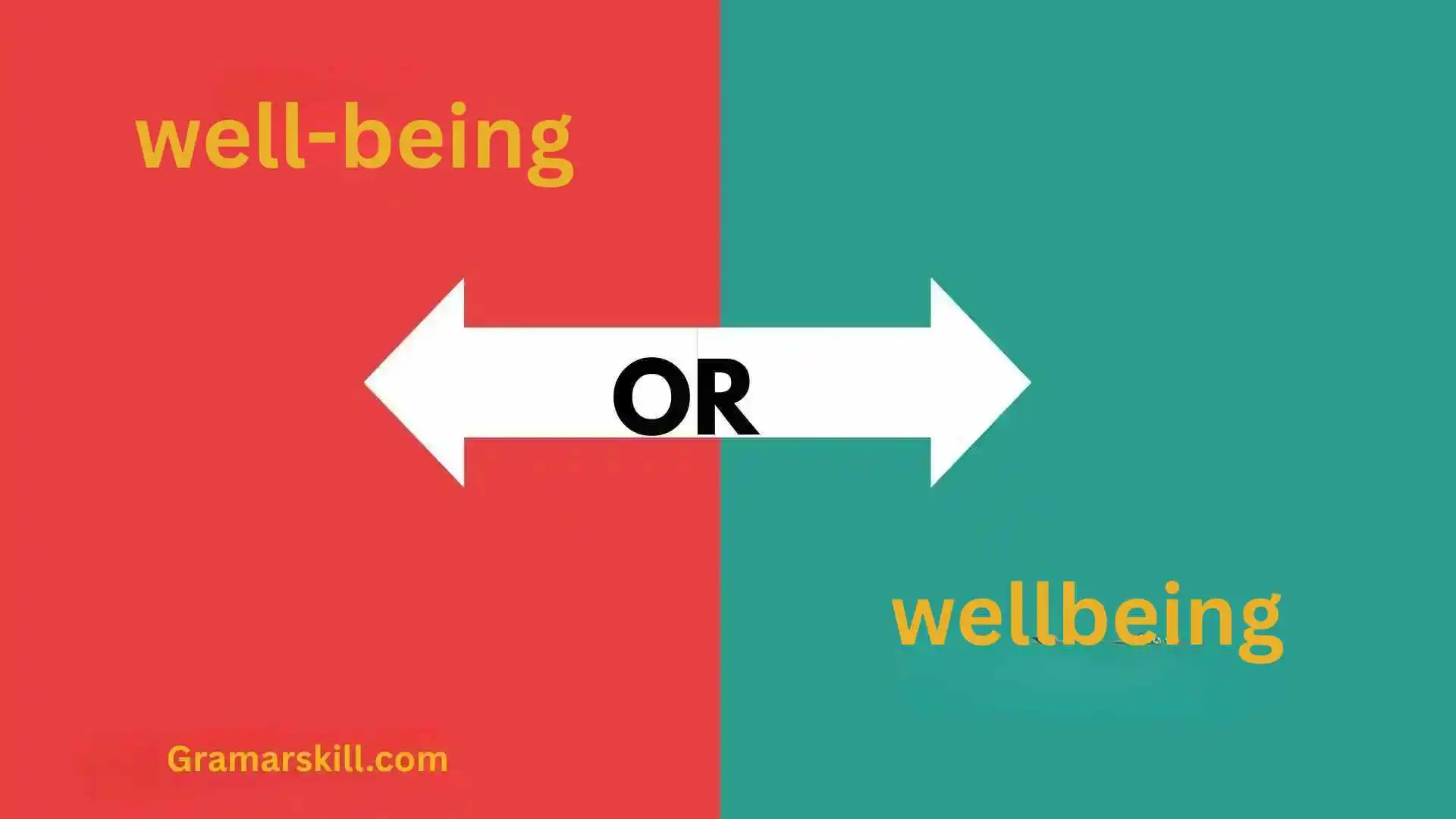
Many people often stumble when writing “well-being” or “wellbeing”, unsure which is correct. This confusion arises because both forms appear frequently in publications, articles, and even professional writing. While they might seem interchangeable at first glance, understanding the subtle differences can enhance clarity, professionalism, and accuracy in your writing.
The distinction is particularly relevant for writers, students, and professionals across the UK and US, where conventions slightly differ. Misusing the term can lead to small but noticeable errors, especially in formal writing or academic work.
Moreover, understanding this concept is more than just about grammar it also touches on the broader idea of health, happiness, and overall well-being, which is vital in today’s fast-paced world. Whether you are writing a wellness blog, a workplace report, or simply want to communicate effectively, knowing the correct form matters.
Quick Answer
The correct form depends on where you are writing.British English, both “well-being” and “wellbeing” are acceptable, though “wellbeing” is becoming more common in modern texts. In American English, the hyphenated form “well-being” is strongly preferred.
In short:
- UK English: “wellbeing” (modern, informal) or “well-being” (traditional)
- US English: “well-being” (preferred and standard)
By remembering this simple rule, you can avoid most mistakes and communicate clearly in either variant of English.
Meaning of the Correct Form

The term well-being or wellbeing refers to a person’s state of health, happiness, and overall comfort. It encompasses physical, mental, and emotional health and is often used in contexts like healthcare, psychology, and lifestyle discussions.
Examples in British English
- Modern usage without hyphen:
- “Employee wellbeing is a top priority for our company.”
- “She focuses on mental wellbeing through mindfulness and meditation.”
- “Employee wellbeing is a top priority for our company.”
- Traditional usage with hyphen:
- “Your well-being should come before work stress.”
- “Government policies aim to improve public well-being.”
- “Your well-being should come before work stress.”
Examples in American English
- Hyphenated form is standard:
- “Maintaining your well-being requires a balanced diet and regular exercise.”
- “The program focuses on the well-being of children and families.”
- “Maintaining your well-being requires a balanced diet and regular exercise.”
Key Point: In both English variants, the term always relates to health, happiness, or overall life satisfaction.
Meaning of the Incorrect Form
There isn’t a single “incorrect” version, but misusing the hyphen or writing the term in unfamiliar ways can be considered wrong in formal writing. For example:
- Writing “wellbeing” in American academic papers may be marked as incorrect.
- Using forms like “well being” (two separate words) is generally wrong in both UK and US English.
Examples of incorrect usage:
- “Your well being is important.” ❌
- “I focus on my wellbeingness.” ❌ (the added suffix is incorrect)
Keyword Comparison / Key Differences
| Aspect | UK English | US English | Notes |
| Preferred form | wellbeing (modern), well-being (traditional) | well-being | UK allows both; US favors hyphen |
| Hyphen use | Optional | Recommended | Avoid confusion in US writing |
| Common mistake | “well being” (two words) | “wellbeing” without hyphen in formal writing | Both are easily avoided with correct form |
| Usage in media | “wellbeing” trending in UK articles | “well-being” standard in newspapers, journals | UK media accepts both, US is stricter |
Transition Insight: Therefore, if your audience is international, using “well-being” is often the safest choice.
Common Mistakes People Make
Even native speakers make mistakes. Here are typical errors:
- Dropping the hyphen in US English:
- Incorrect: “We focus on employee wellbeing.”
- Correct: “We focus on employee well-being.”
- Incorrect: “We focus on employee wellbeing.”
- Splitting the word incorrectly:
- Incorrect: “Your well being matters.”
- Correct: “Your well-being matters.”
- Incorrect: “Your well being matters.”
- Overcomplicating with suffixes:
- Incorrect: “Wellbeingness is important.”
- Correct: “Well-being is important.”
- Incorrect: “Wellbeingness is important.”
- Using informal style in formal writing (UK):
- Informal: “The wellbeing of students is essential.” ✅ (OK in blogs)
- Formal: “The well-being of students is essential.” ✅ (Better in reports)
- Informal: “The wellbeing of students is essential.” ✅ (OK in blogs)
- Ignoring context: Some confuse wellbeing with general wellness or fitness. Remember: well-being is broader, covering mental, emotional, and social aspects.
Correct Usage in Sentences
British English Examples
- “Promoting staff wellbeing is essential for productivity.”
- “The school launched a new program to improve children’s mental well-being.”
- “Yoga and meditation enhance overall wellbeing.”
American English Examples
- “Healthcare policies must consider patient well-being.”
- “Prioritizing your well-being reduces stress and burnout.”
- “The organization conducts workshops for employee well-being.”
Transition Tip: Notice how consistency in hyphen use makes the sentence feel professional and polished.
Tips to Remember the Correct Usage
- Think regionally:
- US → always well-being
- UK → either wellbeing (modern) or well-being (formal/traditional)
- US → always well-being
- Avoid “well being” as two words: This is almost always incorrect.
- Mnemonic trick:
- Hyphen = happy. If you want to be clear and correct everywhere, use the hyphen.
- Hyphen = happy. If you want to be clear and correct everywhere, use the hyphen.
- Check your audience: Academic or professional writing usually prefers well-being, even in the UK.
- Context matters: Focus on the meaning: health, happiness, or life satisfaction, not just fitness or appearance.
FAQs About [well-being or wellbeing]
1. Can I use “wellbeing” in American English?
- Technically, yes, but it’s less accepted. “Well-being” is preferred in formal writing.
2. Is “well being” correct?
- No. Writing it as two separate words is considered incorrect in both UK and US English.
3. Which form is trending in the UK?
- Modern UK publications increasingly use “wellbeing”, especially in informal or lifestyle contexts.
4. Does “well-being” cover mental health?
- Yes. It refers to physical, mental, and emotional health collectively.
5. Can I switch between forms in one document?
- Avoid switching; consistency is key. Pick one form based on your audience.
6. Is “wellness” the same as “well-being”?
- Not exactly. Wellness often focuses on physical health, while well-being is broader.
7. How do I remember the right spelling?
- Use the mnemonic: Hyphen = safe everywhere. If in doubt, write well-being.
Conclusion
Understanding the difference between “well-being” and “wellbeing” is simple once you know the regional preferences and context. In US English, always use well-being. In UK English, either form works, but wellbeing is increasingly popular in modern writing. Avoid splitting the word or using incorrect suffixes.
Remember, well-being is more than a word it represents health, happiness, and overall life satisfaction. By using the correct form, you not only write accurately but also communicate clearly and professionally.
READ MORE ARTICLES..
babies or baby’s: What’s the difference & usage? 2026
aide or aid: What’s the difference & usage?
pilates and or: What’s the difference & usage? 2026
start or sit week 6: What’s the difference & usage?