Have you ever paused before writing Mr. Smith or Mrs. Johnson in an email or letter, wondering if you got it right? The confusion between Mr and Mrs is more common than you think, especially for non-native English speakers or those new to formal writing. Although these titles are simple, using them incorrectly can lead to awkward situations or misunderstandings.
Understanding the difference between Mr and Mrs is essential in both British and American English contexts. In professional, social, and academic settings, addressing someone correctly shows respect and attention to detail. The nuances between UK and US usage may seem minor, but they can influence first impressions, especially in formal correspondence.
In this article, we will break down the meaning of Mr and Mrs, common mistakes, correct usage, UK vs US variations, practical examples, and tips to remember them effortlessly. By the end, you’ll confidently know exactly when and how to use each title.
Quick Answer
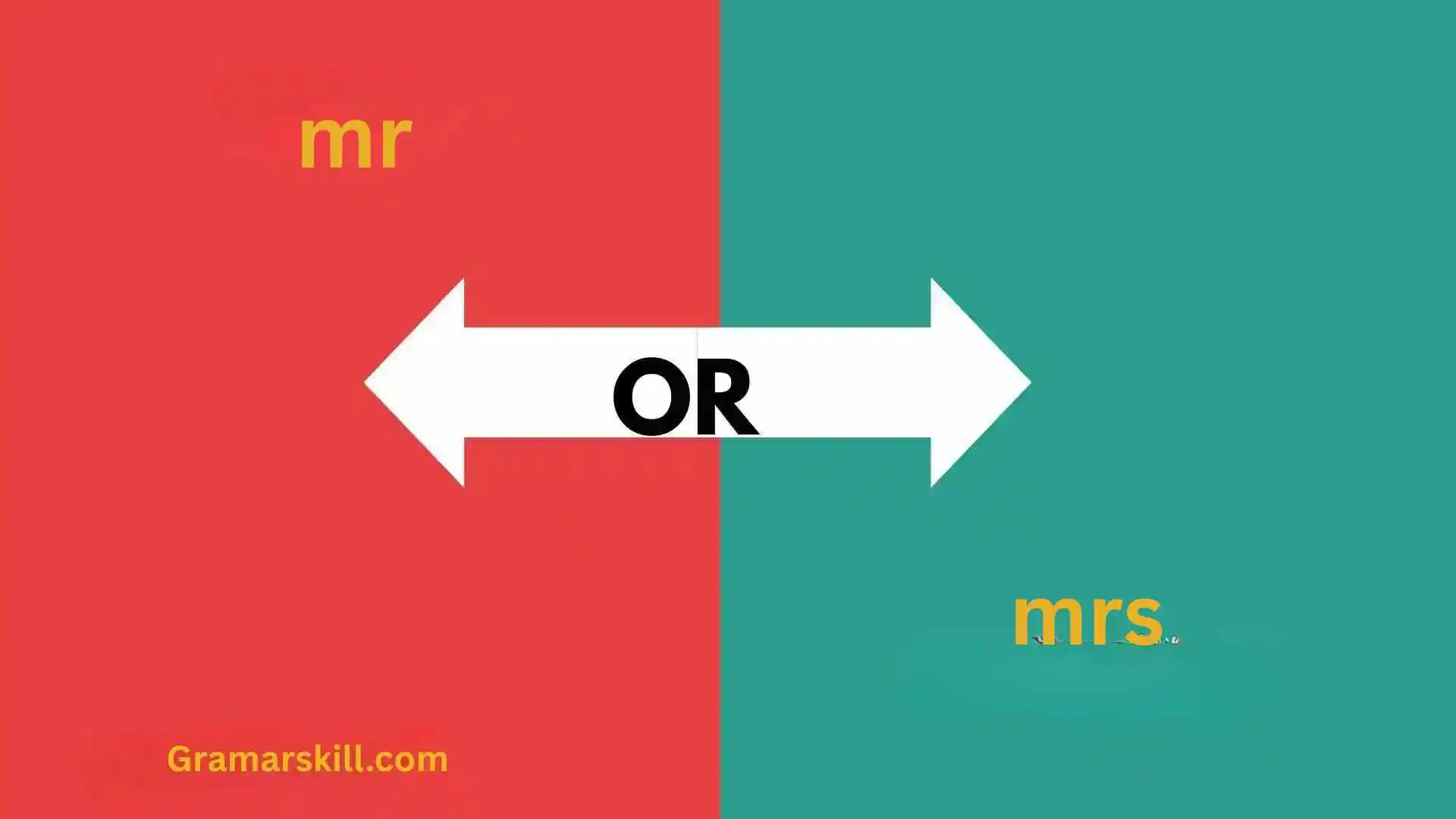
Mr is used for men, regardless of their marital status, while Mrs is specifically used for married women. For unmarried women, Miss is the traditional choice, and Ms can be used for women regardless of marital status.
Example:
- Mr John Smith – a man
- Mrs Jane Smith – a married woman
Whether in the UK or US, this distinction holds, but punctuation and spacing may slightly differ. For instance, the UK often writes Mr Smith without a period, while the US prefers Mr. Smith.
Meaning of the Correct Form
1. Mr
- Definition: A title used before a man’s surname or full name.
- Marital status: It does not indicate whether a man is married or single.
- Examples:
- UK: Mr John Brown will attend the meeting.
- US: Mr. John Brown will attend the meeting.
- Usage notes: Always capitalize Mr and follow it with the person’s last name.
2. Mrs
- Definition: A title used before a married woman’s surname or full name.
- Marital status: Traditionally denotes that the woman is married.
- Examples:
- UK: Mrs Sarah Taylor has kindly volunteered.
- US: Mrs. Sarah Taylor has kindly volunteered.
- Usage notes: Capitalize Mrs, and like Mr, it is followed by the last name.
3. Ms (for context)
Although not part of the main keyword, understanding Ms is useful:
- Definition: A neutral title for women regardless of marital status.
- Example: Ms Anna Green
This distinction helps avoid assumptions about marital status, especially in professional contexts.
Meaning of the Incorrect Form
Misusing Mr or Mrs can lead to confusion or offense. Common errors include:
- Using Mrs for a single woman.
- ❌ Mrs Emily Watson is the new student. → Correct: Miss Emily Watson or Ms Emily Watson
- Using Mr for women.
- ❌ Mr Jane Smith → Correct: Mrs Jane Smith
- Omitting the period in American English.
- US English typically requires Mr. and Mrs.
In addition, mixing Mrs with first names only (without a surname) can be considered overly casual or incorrect in formal writing:
- ❌ Mrs Jane → Correct: Mrs Jane Smith
Keyword Comparison / Key Differences
| Feature | Mr | Mrs | Notes (UK vs US) |
| Gender | Male | Female | Correct identification is crucial |
| Marital status | Not indicated | Married | Miss or Ms for unmarried/neutral |
| Punctuation | UK: Mr / US: Mr. | UK: Mrs / US: Mrs. | US prefers periods after abbreviations |
| Example | Mr Peter Johnson | Mrs Emily Johnson | Shows clear distinction |
| Usage | All men | Married women only | Avoid using Mrs incorrectly for unmarried women |
Transition words: However, it is important to note that these differences are minor in casual communication but significant in formal contexts.
Common Mistakes People Make
- Confusing Miss and Mrs
- UK: Miss Laura Brown for unmarried, Mrs Laura Brown for married
- US: Same, but Ms Laura Brown is also acceptable
- Dropping the title entirely in formal writing
- ❌ Laura Brown will attend. → ✅ Mrs Laura Brown will attend.
- Using first names with Mrs in formal letters
- ❌ Dear Mrs Emily, → ✅ Dear Mrs Emily Brown,
- Incorrect punctuation in American English
- ❌ Mr John Smith (US) → ✅ Mr. John Smith
- Assuming all women prefer Mrs
- Always check if the woman prefers Ms, especially in professional settings.
Correct Usage in Sentences
UK Examples
- Mr George Wilson is our new neighbour.
- Mrs Margaret Hughes will lead the book club this year.
- Please RSVP to Mr David Clark by Monday.
- Mrs Fiona Adams, the headteacher, welcomed the parents.
US Examples
- Mr. Thomas Jackson is on the conference panel.
- Mrs. Linda Green has submitted her application.
- We received a letter from Mr. Robert King.
- Mrs. Sarah Mitchell will be the keynote speaker.
Note: In emails or casual conversation, it is increasingly common to use first names only, but formal letters still require proper titles.
Tips to Remember the Correct Usage
- Mr = Male → No need to know marital status.
- Mrs = Married woman → Traditionally indicates she is married.
- Miss = Unmarried woman → Common in UK; in US, Ms is often preferred.
- Mnemonic trick: “R in Mrs = R for “wedded”” (R reminds you of “married”).
- Punctuation check: If writing in American English, always add a period: Mr. / Mrs.
- Formal letters: Always pair the title with the last name, not just the first.
FAQs
1. Can I use Mrs for unmarried women?
No. Use Miss for unmarried women, or Ms if marital status is unknown or irrelevant.
2. Should I include a period after Mr or Mrs in British English?
Not usually. In UK English, Mr Smith and Mrs Johnson are correct. Periods are optional.
3. Is Ms preferred over Mrs?
In professional and modern contexts, Ms is often preferred because it doesn’t assume marital status.
4. Can Mr be used for a married man?
Yes. Mr applies to all men regardless of marital status.
5. How do I address a couple?
- UK/US: Mr and Mrs Smith or Mr John and Mrs Jane Smith for formal invitations.
6. What about divorcees?
- Divorced women may prefer Ms rather than Mrs.
7. Can first names be used with titles?
- Only in casual or familiar contexts. In formal writing, always pair with the last name.
Conclusion
In summary, understanding the correct use of Mr and Mrs is simple yet essential. Mr is for all men, while Mrs is reserved for married women. Using the correct title reflects respect, professionalism, and awareness of cultural nuances between the UK and US.
Remember:
- Check marital status before using Mrs.
- Use Ms when unsure or in professional settings.
- Follow punctuation norms for your audience (UK vs US).
By following these simple guidelines, you can confidently address anyone correctly, ensuring your letters, emails, and conversations are polite, professional, and clear. Start practicing today, and never second-guess your titles again!
READ MORE ARTICLES..
mrs ms or miss: What’s the difference & usage? 2026
fedex or ups cheaper: What’s the difference & usage?
is it laying or lying in bed: What’s the difference & usage? 2026
everyones or everyone’s: What’s the difference & usage? 2026