Have you ever paused while writing a travel blog, essay, or social media post, unsure whether to use traveler or traveller? You are not alone. This small difference just a single “l” can create a lot of confusion for writers, students, and content creators worldwide. Many people wonder if one spelling is correct or if it depends on where you live.
Understanding the distinction between traveler and traveller is more than just a spelling concern. It reflects proper language usage in both British English and American English. Using the wrong form might seem minor, but for professionals, students, or anyone writing formally, it can impact credibility.
In this article, we will break down the differences, provide practical examples, highlight common mistakes, and give you easy tips to remember the correct form. Whether you are a UK reader or a US reader, this guide will make your writing clear, consistent, and professional.
Quick Answer
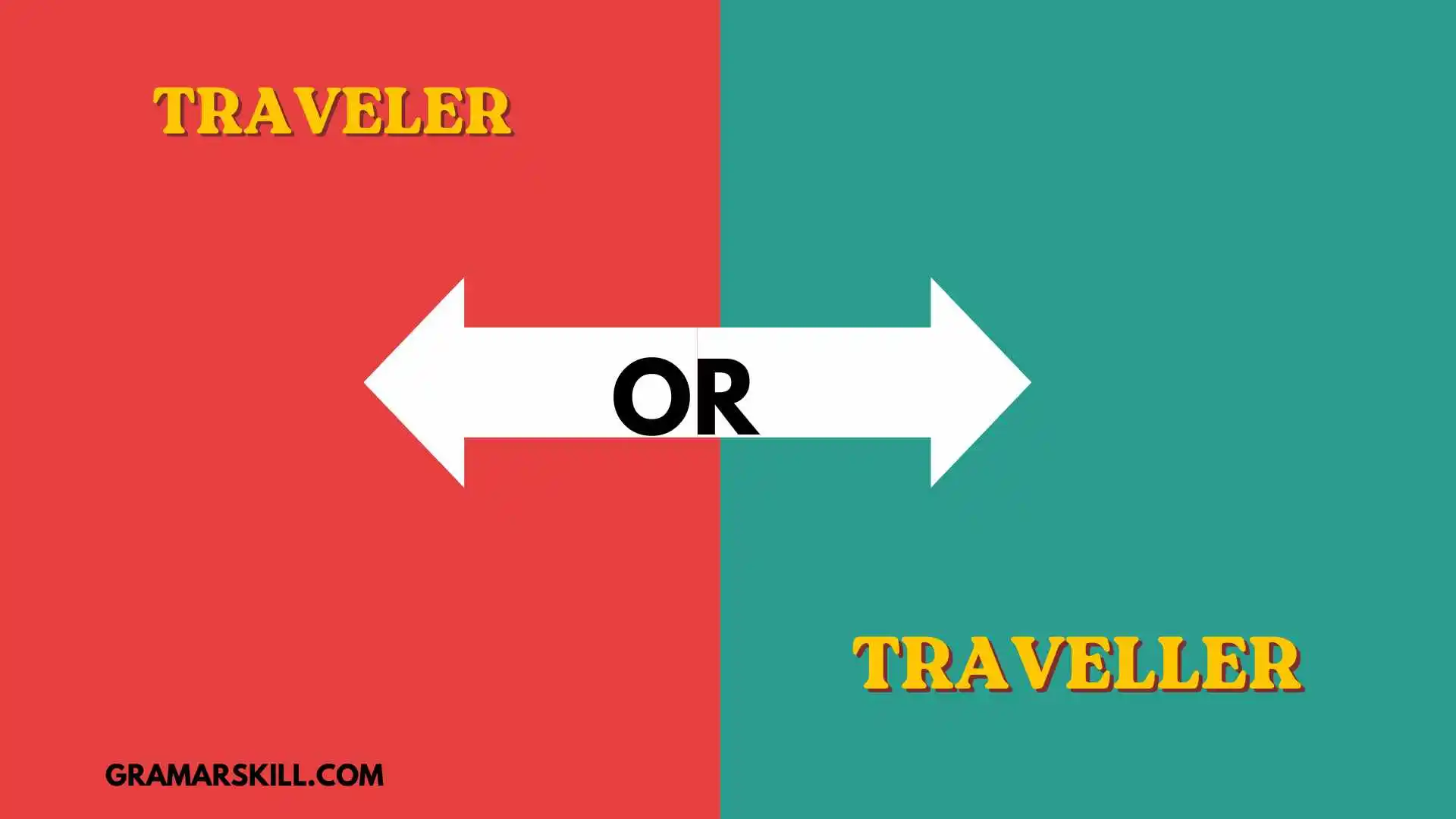
Traveler with one “l” is the standard spelling in American English, while traveller with two “l”s is the standard in British English. Both words mean the same: a person who travels, but usage depends on your target audience or style guide.
For example:
- US English: “She is an experienced traveler who has visited 30 countries.”
- UK English: “He is a seasoned traveller exploring Europe.”
So, the key is audience awareness. Choose the spelling that aligns with your readers’ English variant.
Meaning of the Correct Form
Traveler (US English)
In American English, traveler is the accepted spelling. It refers to anyone who journeys from one place to another. The term can be used for tourists, business professionals, or adventurers.
Examples in US English:
- “The traveler checked in at the airport an hour before the flight.”
- “Frequent travelers often carry a passport and travel insurance.”
- “Becoming a world traveler requires planning and flexibility.”
Notice that Americans always use a single “l” in verbs derived from travel when forming nouns like traveler.
Traveller (UK English)
In British English, traveller is correct, following the convention of doubling the consonant when forming certain nouns. It carries the same meaning as traveler, but it’s the standard spelling in the UK, Ireland, Australia, and other Commonwealth countries.
Examples in UK English:
- “The traveller arrived at King’s Cross Station early in the morning.”
- “Experienced travellers often prefer trains over flights.”
- “Becoming a world traveller is a dream for many young adults.”
Meaning of the Incorrect Form
Using the wrong spelling is a common mistake, especially for non-native English speakers or writers targeting an international audience.
- Incorrect in US English: “traveller” → Americans might consider it a typo.
- Incorrect in UK English: “traveler” → British readers may see it as a minor mistake or Americanized writing.
However, the meaning remains the same, and most readers understand the word regardless of spelling. The problem arises in formal contexts, exams, publications, or content targeting a specific audience.
Keyword Comparison / Key Differences

| Feature | Traveler (US) | Traveller (UK) |
| Standard in | US English | UK & Commonwealth English |
| Spelling | Single “l” | Double “l” |
| Usage Examples | Traveler, travelers | Traveller, travellers |
| Audience | Americans | British, Australians, Canadians (sometimes), others |
| Formality Impact | Neutral in US | Neutral in UK |
| Common Mistake | Using double “l” in US writing | Using single “l” in UK writing |
Key takeaway: The difference is purely spelling, not meaning. Focus on audience and style guide.
Common Mistakes People Make
Even experienced writers often stumble over traveler vs traveller. Here are common pitfalls:
- Mixing US and UK spelling in one document
- Incorrect: “The traveller checked in early and the traveler waited for his luggage.”
- Correct: “The traveller checked in early and waited for his luggage.” (UK)
- Correct: “The traveler checked in early and waited for his luggage.” (US)
- Using the wrong variant in formal writing
- Exams or official documents may mark American spelling as incorrect if UK English is required, and vice versa.
- Assuming one spelling is universally correct
- Many people think “traveler” is the default worldwide. In fact, British English consistently uses “traveller.”
- Overcomplicating the word
- Some try “travelor” or “travalor,” which are always incorrect.
- Ignoring context
- Tourist guides for a UK audience should always use traveller, even if written by an American author.
Correct Usage in Sentences
US English Examples (Traveler)
- “As a frequent traveler, she knows how to pack efficiently.”
- “The airline rewards loyal travelers with bonus miles.”
- “A modern traveler relies on apps for navigation and booking.”
- “Every traveler should have travel insurance before visiting another country.”
- “He considered himself a curious traveler, eager to explore new cultures.”
UK English Examples (Traveller)
- “A seasoned traveller understands the value of light luggage.”
- “Many travellers prefer trains when touring Europe.”
- “She became a world traveller after a year-long backpacking trip.”
- “Travellers often share tips on blogs and forums.”
- “He prides himself on being a thoughtful traveller who respects local customs.”
Tips to Remember the Correct Usage
- Think of your audience: If writing for Americans → traveler; for British → traveller.
- Mnemonic trick: “UK doubles the l” → UK = 2 l’s → traveller.
- Check your style guide: AP Style (US) = traveler; Oxford Style (UK) = traveller.
- Consistency is key: Don’t mix spellings in the same text.
- Spellcheck settings matter: Set your software to US or UK English to catch errors automatically.
FAQs (Frequently Asked Questions)
1. Is traveler or traveller correct?
- Both are correct. Traveler is American English; traveller is British English. Use according to your audience.
2. Can I use traveler in UK English?
- Technically yes, but it may be seen as Americanized. In formal UK writing, traveller is preferred.
3. Does the meaning change between traveler and traveller?
- No, both mean a person who travels. Only spelling differs.
4. What about plurals: travelers vs travellers?
- US English: travelers
- UK English: travellers
5. Is there a difference in pronunciation?
- No, pronunciation is the same: /ˈtrævələr/.
6. Why does UK English double the “l”?
- British English doubles the consonant before adding suffixes in certain words (like travelling, traveller) following traditional spelling rules.
7. Should I use traveler in academic writing?
- Use the variant that matches the style guide: AP / Chicago = traveler; Oxford / Cambridge = traveller.
Conclusion
In summary, the difference between traveler and traveller is purely a matter of spelling convention. Americans write traveler with one “l,” while British and Commonwealth countries write traveller with two “l”s. Both words mean the same: a person who travels, and both are universally understood.
By keeping your audience in mind, checking your style guide, and using mnemonics, you can avoid common mistakes and write confidently. Remember, consistency is more important than the choice itself.
READ MORE ARTICLES..
less then or less than: What’s the difference & usage? 2026
Dwarfs or Dwarves: Differences, Definitions, and Proper Use 2026
Anyday or Any Day: Correct Meaning, Usage, and Examples 2026
less than or greater than sign: Easy guide 2026

I’m Henry Collins, a passionate grammar enthusiast who loves making English simple and clear for everyone. I enjoy breaking down tricky grammar rules into easy, everyday language. Through my writing, I aim to help learners build confidence and write with accuracy. My goal is to turn confusion into clarity one word at a time.