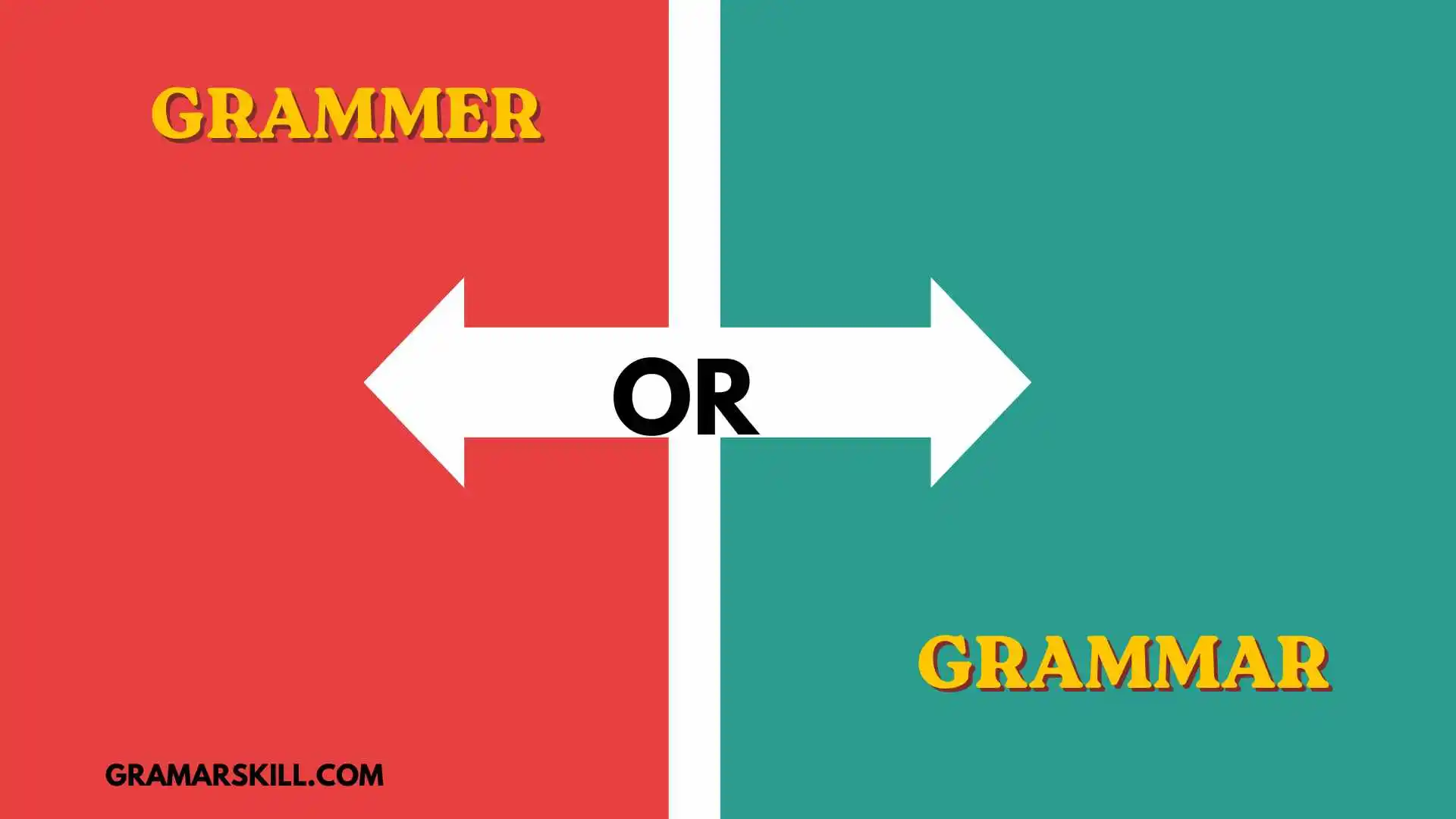
If you’ve ever typed a sentence and wondered whether to use “grammer” or “grammar”, you’re not alone. This is a common question among English learners and even native speakers. The confusion usually arises from spelling errors, regional influences, or simply mishearing the word in speech.
Understanding the difference is crucial because using the wrong form can make your writing look unprofessional. In academic, professional, and casual contexts, correct grammar ensures clarity, credibility, and effective communication.
For UK and US audiences, knowing the correct spelling is especially important. While there are many differences between British and American English, “grammar” is spelled the same way in both versions. Misusing it as “grammer” is universally considered incorrect.
Quick Answer
The correct form is “grammar”.
- “Grammar” refers to the rules and structure of a language, including sentence construction, punctuation, and word usage.
- “Grammer” is incorrect and should be avoided in writing or formal contexts.
Whether you are writing in British English or American English, the correct spelling remains grammar.
Meaning of the Correct Form
Grammar Explained
Grammar is the system of rules that allows us to communicate effectively in any language. It governs how words combine to form phrases, clauses, and sentences. Good grammar helps your writing be clear, precise, and professional.
Examples:
British English (UK):
- “She has excellent grammar in her essays.”
- “Proper grammar is essential for academic writing in the UK.”
American English (US):
- “His grammar mistakes made the report hard to read.”
- “Teachers emphasize correct grammar in US schools.”
Key Points About Grammar:
- Includes spelling, punctuation, and sentence structure.
- Guides proper word usage.
- Helps convey meaning accurately.
Why Grammar Matters:
- Avoids misunderstandings.
- Improves credibility in writing.
- Essential for exams, professional emails, and creative writing.
Meaning of the Incorrect Form (Grammer)
The word “grammer” is a common misspelling of “grammar.” It has no meaning in English and is considered incorrect in all contexts.
Common Causes of “Grammer” Mistakes:
- Typing too quickly.
- Mishearing the word in speech.
- Assuming a phonetic spelling.
Example of Incorrect Usage:
- “I need to improve my grammer.” ❌
Corrected: “I need to improve my grammar.” ✅
Even though it may appear in casual social media posts or informal texting, using grammer in formal writing can reduce your credibility.
Keyword Comparison / Key Differences
| Feature | Grammar (Correct) | Grammer (Incorrect) |
| Definition | Rules of language | None |
| Usage in Writing | Formal, informal, academic | Never accepted |
| Spelling Validity | Correct | Incorrect |
| UK English | Grammar ✅ | Grammer ❌ |
| US English | Grammar ✅ | Grammer ❌ |
| Example Sentence | “Check your grammar.” | “Check your grammer.” ❌ |
Tip: Always remember, there’s only one correct spelling, and it works for both UK and US English.
Grammer or Grammar in English
| Heading | Information |
|---|---|
| Grammer or Grammar in English | The correct spelling in English is grammar. The word grammer is a common misspelling and is not accepted in standard English dictionaries. Grammar refers to the rules that govern how words and sentences are structured in a language. |
| Grammer or Grammar UK | In UK English, the correct spelling is also grammar. There is no British English variant that uses grammer. Whether you are writing in the UK, the US, Canada, or Australia, grammar remains the standard spelling. |
| Grammer or Grammar Quiz | A “grammer or grammar” quiz helps learners identify the correct spelling and understand proper language usage. In such quizzes, grammar is always the correct answer, while grammer is considered a spelling mistake. |
| Grammar or Grammer School | The correct term is grammar school, which refers to a type of academically selective school, especially in the UK. Grammer school is incorrect because grammer is not the proper spelling of the word. |
Common Mistakes People Make
Even experienced writers sometimes make errors related to grammar, spelling, and usage. Here are the most frequent mistakes:
- Typing “grammer” by mistake
- Quick typing or autocorrect can mislead you.
- Confusing grammar with gramma or grandma
- Example: “My gramma is a teacher.” (Grandma = correct for grandmother)
- Don’t confuse with grammar rules.
- Ignoring regional conventions
- Some learners assume UK and US English spellings differ here—but they don’t.
- Mixing grammar terms
- Using “grammer check” instead of “grammar check.”
UK vs US Mistakes Examples:
- UK: “He needs to improve his grammer.” ❌
- US: “Her grammer is terrible.” ❌
✅ Correct for both:
- UK: “He needs to improve his grammar.”
- US: “Her grammar is excellent.”
Correct Usage in Sentences
Here’s how to use grammar correctly in real-life sentences:
British English (UK):
- “The school focuses on teaching students correct grammar.”
- “She submitted an essay free from any grammar mistakes.”
- “Good grammar enhances your chances of employment.”
- “Many students struggle with English grammar at GCSE level.”
- “Using proper grammar makes your writing more persuasive.”
American English (US):
- “Teachers often run a grammar workshop before exams.”
- “He lost marks due to poor grammar.”
- “Correct grammar is essential in professional emails.”
- “Many Americans ignore grammar rules in casual writing.”
- “Software tools help check grammar automatically.”
Pro Tip: Whenever you are unsure, read the word slowly: “gram-mar”. This can help prevent accidental spelling as “grammer.”
Tips to Remember the Correct Usage
Here are easy tricks and mnemonics to avoid the grammer mistake:
- Think of “mar” in grammar
- “Grammar has ‘mar’ like ‘mark’ – it helps mark correctness.”
- Visual memory trick
- Imagine a teacher marking papers for grammar mistakes.
- Spell check is your friend
- Always run a spell check before submitting documents.
- Use online grammar tools
- Tools like Grammarly or Microsoft Word’s built-in checker.
- Practice with sentences
- Write sentences using “grammar” correctly until it becomes second nature.
- UK & US consistency
- Remember: no regional variation here – grammar is correct everywhere.
FAQs About “Grammer or Grammar”
Q1: Is “grammer” ever correct?
A: No. “Grammer” is always incorrect. The correct word is grammar.
Q2: Does “grammar” have different spellings in UK and US English?
A: No. Both British and American English use grammar.
Q3: Can I use “grammer” in informal text messages?
A: You might see it in casual chats, but it’s not recommended. Correct spelling improves professionalism.
Q4: How can I remember the correct spelling?
A: Think “grammar = mark rules.” Visualize marking mistakes to reinforce memory.
Q5: What is the difference between grammar and spelling?
A: Grammar covers sentence structure and rules, while spelling focuses on individual words. Both are important.
Q6: Are there tools to correct grammar mistakes?
A: Yes. Grammarly, Microsoft Word, and Hemingway Editor help identify errors in grammar.
Q7: Why is grammar important in English exams?
A: Grammar ensures clarity, proper meaning, and higher marks. Both UK GCSEs and US standardized tests emphasize correct grammar.
Conclusion
In summary, the correct spelling is grammar, not “grammer.” This rule applies universally in both UK and US English. Misusing it can affect your credibility, clarity, and writing professionalism.
Key Takeaways:
- Always use grammar to refer to language rules.
- Avoid “grammer” in all writing.
- Use mnemonics and practice sentences to remember correct spelling.
- Both UK and US audiences expect the same correct usage.
By mastering the correct form, you enhance your communication skills, reduce errors, and gain confidence in writing. Start practicing today, and soon correct grammar will become second nature.
READ MORE ARTICLES..
indepth or in-depth: Easy guide with simple explanation. 2026
CC’ed or CC’d: Correct Spelling and Real-Life Examples 2026
led to or lead to: Easy guide with simple explanation?
To Long or Too Long: What’s the difference & usage? 2026

I’m Daniel Brooks, a passionate grammar enthusiast dedicated to making English simple and clear for everyone. I love breaking down confusing rules into easy, practical explanations you can actually use. Through my content, I aim to help learners write with confidence and accuracy. I believe good grammar isn’t about perfection it’s about clear communication.