Many people often get confused when writing about their siblings’ daughters. Should it be “niece” or “neice”? This is a common question, especially for those learning English or trying to write formally. The confusion arises because English spelling can sometimes feel unpredictable. While the word is pronounced clearly as /niːs/, seeing it written can be tricky for some.
Understanding the correct usage is important. Writing “niece” correctly ensures that your sentences look professional, clear, and polished. This applies equally to UK and US audiences, as both varieties of English follow the same spelling for this word. Getting it wrong might make readers pause or even question your attention to detail.
In this guide, we’ll explore everything you need to know about “niece” and its common misspelling “neice”, compare the two, and provide practical tips for remembering the correct form. By the end, you’ll never mix them up again!
Quick Answer
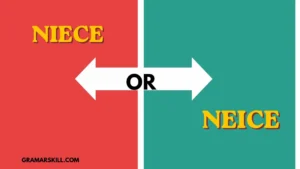
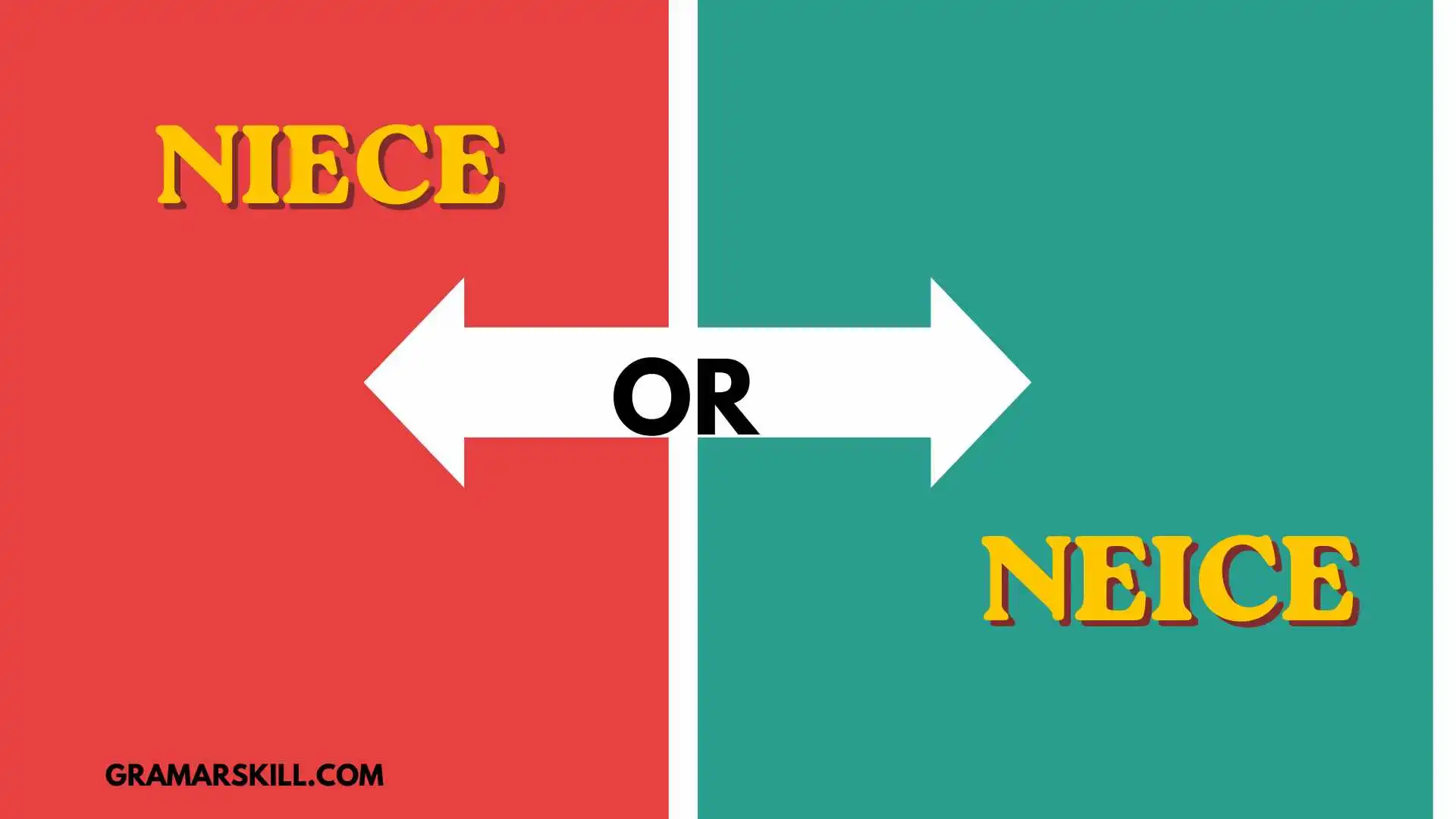
The correct spelling is “niece”.
“Neice” is a common misspelling and is incorrect in both British and American English.
So whenever you refer to your sibling’s daughter, always use niece. For example:
- Correct: I took my niece to the park yesterday.
- Incorrect: I took my neice to the park yesterday.
Meaning of the Correct Form
The word “niece” refers to the daughter of one’s brother or sister. It can also refer to the daughter of your spouse’s brother or sister. This definition is standard in both UK and US English.
Examples:
- UK English:
- My niece loves reading Harry Potter books.
- I’m taking my niece to London Zoo this weekend.
- US English:
- I baked cookies with my niece on Sunday.
- My niece is learning to play the piano.
Additional Notes:
- Pronunciation is /niːs/, which rhymes with “peace.”
- The word is always spelled niece regardless of context or region.
- It is a noun and is used to indicate a familial relationship.
Meaning of the Incorrect Form
Many people mistakenly spell “niece” as “neice”. This usually happens because the English language sometimes reverses vowels in words (like in friend vs freind). However, “neice” is never correct in formal or informal writing.
Example of incorrect usage:
- I took my neice to school today. ❌
- Corrected: I took my niece to school today. ✅
Using neice may confuse readers, especially in formal writing like emails, essays, or letters. Even though some people might understand your meaning, it is considered a spelling error in every English-speaking country.
Keyword Comparison / Key Differences
| Aspect | Niece (Correct) | Neice (Incorrect) |
| Spelling | N-I-E-C-E | N-E-I-C-E |
| Meaning | Daughter of your brother or sister | None (wrong spelling) |
| Usage in UK & US | Correct in both British and American English | Incorrect in all English variants |
| Pronunciation | /niːs/ | Often pronounced correctly, but still wrong spelling |
| Acceptability in formal writing | Always acceptable | Never acceptable |
Key Takeaway: Always use niece. Avoid writing neice, even in informal texts, to maintain proper spelling standards.
Common Mistakes People Make
People often mix up niece and neice due to the following reasons:
- Vowel Confusion: English learners may swap the vowels because many English words have irregular vowel sequences.
- Wrong: My neice is smart.
- Right: My niece is smart.
- Pronunciation Misleading Spelling: Since both niece and neice sound the same, the incorrect version seems plausible.
- Typing Errors: People might type quickly and accidentally transpose the vowels.
- Autocorrect Confusion: Some devices incorrectly “correct” niece to neice, especially in older software.
- Influence of Similar Words: Words like receive, deceive, or ceiling may lead people to think neice is correct.
UK Example Mistakes:
- Wrong: I bought a gift for my neice’s birthday.
- Correct: I bought a gift for my niece’s birthday.
US Example Mistakes:
- Wrong: My neice wants to go to Disneyland.
- Correct: My niece wants to go to Disneyland.
Correct Usage in Sentences
Here are several practical examples for both UK and US English:
UK English:
- I gave my niece a lovely scarf for Christmas.
- My niece is visiting London this summer.
- I love reading bedtime stories to my niece.
- My niece enjoys painting and drawing.
- My niece will graduate from university next year.
US English:
- I took my niece to the park yesterday.
- My niece is learning to play basketball.
- I baked cupcakes with my niece for her birthday.
- My niece is very excited about her school trip.
- I watched a movie with my niece last weekend.
Tips for Sentences:
- Always use niece in formal writing.
- Use apostrophes for possessives: my niece’s book.
- Pair with family terms like nephew, cousin, aunt, or uncle.
Tips to Remember the Correct Usage
Here are some easy ways to remember niece:
- Mnemonic Trick:
- Think of it as “niece = niecey” – like adding a ‘y’ at the end makes it easier to spell correctly.
- Alphabet Order Tip:
- Remember i before e, except after c – like in niece. This follows the common English rule: i before e except after c.
- Visual Reminder:
- Picture your niece smiling. Seeing the correct word alongside an image can help reinforce spelling.
- Practice Writing Sentences:
- Write at least 5 sentences daily with niece. Repetition helps memorization.
- Avoid “neice” on Autocorrect:
- Check your phone or computer dictionary to prevent accidental mistakes.
Frequently Asked Questions (FAQs)
Q1: Is it “niece” or “neice”?
A: The correct spelling is niece. Neice is always incorrect.
Q2: Is the spelling different in UK and US English?
A: No, both British and American English use niece.
Q3: How do I remember the correct spelling?
A: Use the “i before e except after c” rule or a mnemonic like niece = niecey.
Q4: Can I use “neice” in casual texting?
A: Even in texting, it’s better to use niece to avoid confusion and reinforce proper spelling.
Q5: What is the plural of niece?
A: The plural is nieces. Example: I have two nieces and one nephew.
Q6: Is “niece” used as a verb or only a noun?
A: Only as a noun. It refers specifically to the daughter of your sibling.
Q7: Can “niece” refer to step-siblings or adopted children?
A: Yes, it can refer to your spouse’s daughter, adopted niece, or step-niece. The relationship is understood socially, not just biologically.
Conclusion
In summary, when deciding between niece or neice, always choose niece. It is the correct spelling in both UK and US English and refers to your sibling’s daughter or similar family relationships. Avoid the common misspelling neice, which is incorrect in all contexts.
Remember the simple tips and mnemonics: “i before e except after c” and visualizing your niece while spelling can help solidify correct usage. Using niece correctly not only improves your writing but also ensures clear communication in both formal and informal contexts.
So next time you write about your sibling’s daughter, confidently spell it as niece and impress both British and American readers with your accurate English!